October 2, 2026
Questions to Ask Before Starting Periodontal Treatment in Ventura
By @dominickhrqr017
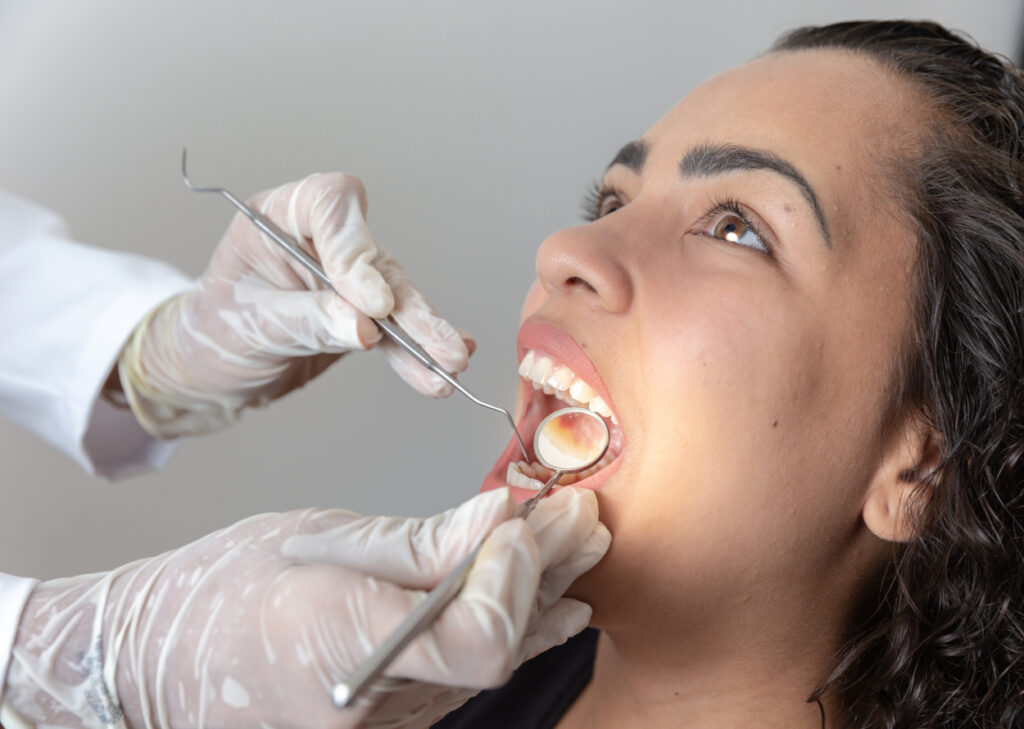


If a dentist or periodontist has told you that you need treatment for gum disease, the first reaction is often a mix of relief and unease. Relief, because there is finally an explanation for the bleeding gums, bad breath, gum tenderness, or loose feeling around certain teeth. Unease, because periodontal treatment sounds serious, and in many cases it is. Gum disease does not usually improve on its own, and delaying care tends to make treatment more involved, more expensive, and less predictable.
That said, agreeing to treatment without asking careful questions is rarely wise. Periodontal care can range from a deep cleaning to flap surgery, gum grafting, laser treatment, localized antibiotics, bite adjustment, or ongoing maintenance visits that continue for years. The right plan depends on the severity of the disease, your medical history, how stable your teeth are, and whether the office is diagnosing an active infection or managing damage that has already occurred.
For patients considering Periodontal Treatment Ventura providers offer, the best starting point is not fear or urgency. It is clarity. Good clinicians appreciate informed questions. In fact, when a patient asks smart, specific questions, the entire process tends to go better because expectations are more realistic from the start.
Start with the diagnosis, not the procedure
Before you ask about a treatment method, ask what exactly is being treated. Patients often hear terms like gingivitis, periodontal disease, pockets, bone loss, recession, inflammation, and infection used in the same conversation, even though they are not interchangeable.
Gingivitis is inflammation of the gums without loss of supporting bone. Periodontitis involves destruction of the tissues and bone that hold teeth in place. That distinction matters because a person with gingivitis may improve with professional cleaning and improved home care, while a person with periodontitis often needs more intensive treatment and long-term maintenance.
Ask your provider to show you what they see. A good clinician should be able to explain pocket depths, point out bleeding sites, review X-rays with you, and identify where bone loss is mild, moderate, or advanced. If the office took a periodontal chart, ask for the numbers in plain language. A six or seven millimeter pocket is not just a number on a page. It usually means bacteria and calculus have collected deep below the gumline in an area that a toothbrush and floss cannot reach effectively.
One of the most useful questions a patient can ask is, “Which areas are active disease, and which areas are old damage that you want to monitor?” That one question often clarifies a lot. Some mouths show evidence of prior bone loss that has been stable for years. Others have active bleeding, deep pockets, and ongoing breakdown. Treatment decisions differ in those two situations.
How advanced is my periodontal disease?
Severity changes everything. If your disease is localized around two molars, your options may look very different from someone with generalized bone loss around nearly every tooth. The timing, cost, discomfort, and prognosis all shift based on how far the disease has progressed.
Ask whether your condition is mild, moderate, or severe, and then ask what that means in practical terms. Does mild mean a deep cleaning and closer maintenance? Does severe mean certain teeth may not be savable? Are there furcation involvements, meaning bone loss between the roots of molars? Are any teeth mobile? Have the gums receded enough to expose root surfaces that are now at greater risk for sensitivity and decay?
This is where experience matters. I have seen patients focus entirely on whether treatment will hurt, while missing the larger issue, which is whether the plan is trying to preserve a healthy, functional dentition for ten years or just calm down a short-term infection. Both questions matter, but they are not the same.
A provider who speaks honestly about severity is often more trustworthy than one who offers instant reassurance without specifics. Gum disease is manageable in many people, but advanced cases can require ongoing vigilance even after good treatment.
Why are you recommending this specific treatment?
Deep cleaning, technically called scaling and root planing, is one of the most common first-line periodontal therapies. It can be appropriate and highly effective in the right patient. But it is not a cure-all, and it is not the only option. Some cases need surgical access to thoroughly clean root surfaces. Some benefit from localized antimicrobials. Others involve regenerative procedures, grafts, or extraction if a tooth has a hopeless prognosis.
Ask your provider why the recommended treatment fits your case. If they suggest scaling and root planing, ask what outcome they expect. Are they trying to reduce pocket depths from five millimeters to three or four? Are they trying to stop bleeding and inflammation before reassessing? If surgery is being discussed, ask what problem surgery is solving that non-surgical therapy cannot.
Good periodontal treatment is not just about removing buildup. It is about creating a condition that you can maintain. That may mean reducing deep inaccessible areas, improving the architecture of the tissue, or managing factors like bite trauma and difficult root anatomy.
In Ventura, patients often move between general dental offices and specialists, and that can create confusion. A general dentist may identify the problem and refer to a periodontist for evaluation. In other cases, the general office performs the initial therapy and monitors healing. Neither model is automatically better. What matters is whether the recommendation is tailored to your anatomy, your disease pattern, and your ability to maintain the result.
What happens if I wait?
This is one of the most important questions, especially if you need time to budget, arrange transportation, or coordinate medical care. There is a difference between postponing treatment for two weeks and postponing it for a year. Ask your provider what changes they are most concerned about if treatment is delayed.
The answer may involve progression of bone loss, worsening mobility, more recession, increased sensitivity, abscess formation, or higher risk of losing one or more teeth. In some patients, disease progression is relatively slow. In others, it is surprisingly aggressive. Smokers, people with uncontrolled diabetes, and patients with poor plaque control often fall into a higher-risk category.
This question also tests how thoughtful the office is. If every delay is described as catastrophic, that can feel more like sales pressure than clinical explanation. A stronger answer sounds more like this: based on your pocket depths, bleeding, and radiographic changes, waiting several months will likely allow more tissue breakdown in these specific areas, and those lower molars are already vulnerable. That is a measured clinical judgment, not a scare tactic.
What are the alternatives, and what are the trade-offs?
There are often several ways to approach periodontal problems, especially in borderline cases. One clinician may recommend non-surgical treatment first, then reevaluation. Another may believe surgery is indicated immediately in a few areas. A patient with one severely compromised tooth may be offered heroic periodontal treatment, extraction with implant placement, or extraction followed by another restorative option.
Alternatives are not always equal, and this is where nuanced discussion matters. Saving a tooth can be valuable, but not every save is a good long-term investment. If a molar has advanced bone loss, furcation involvement, and difficult root access, preserving it may require multiple procedures and still leave a guarded prognosis. On the other hand, extracting a tooth too quickly can create its own set of costs, healing demands, and esthetic concerns.
Ask your provider to explain what they would recommend if cost were the main concern, if long-term durability were the main concern, and if you wanted the least invasive option first. These are not selfish questions. They reveal how the clinician thinks and whether they can adapt the plan to your priorities without compromising ethics.
Will I need a specialist, or can this be done in a general dental office?
Many patients are unsure whether they need a periodontist at all. The answer depends on complexity. Some general dentists are very comfortable treating mild to moderate periodontal disease and monitoring maintenance over time. Others prefer to refer out earlier. Periodontists have additional years of training focused on the supporting structures of the teeth, surgical therapy, grafting, regenerative procedures, and implant-related periodontal care.
If your case involves significant bone loss, gum recession that may need grafting, mobility, advanced pocketing, failed previous treatment, or medical complexity, specialist input can be especially valuable. Even when a general dentist is excellent, there is no downside in asking whether a periodontal consultation would sharpen the diagnosis or improve the plan.
For someone researching Periodontal Treatment Ventura options, it is reasonable to ask how often the office handles cases like yours. An office that treats advanced periodontal disease every week will often have a more refined process for charting, anesthetic comfort, reevaluation, and maintenance planning than an office that sees only occasional cases.
What should I expect during the procedure?
A surprising amount of patient anxiety comes from not knowing the mechanics of treatment. Ask how long the procedure will take, whether the mouth will be treated in quadrants or all at once, what type of anesthesia will be used, and whether you will be able to drive yourself home afterward.
If scaling and root planing is planned, ask whether local anesthetic is routine. Most patients do better when deeper instrumentation is done with the area fully numb. Ask whether hand instruments, ultrasonic scalers, or both will be used. If localized antibiotics or irrigation are part of the plan, ask why and what benefit is expected.
For surgical treatment, the questions become even more specific. Will there be sutures? How long before chewing feels normal? Will you need prescription pain medication, or do most patients manage with over-the-counter options? How often do complications such as prolonged bleeding, swelling, or infection occur in that office?
The best explanations are concrete. “You will be numb for about two to three hours, expect tenderness that evening, stick to softer foods for a day or two, and we usually reevaluate tissue response in four to six weeks” is more helpful than “You’ll be fine.”
How much discomfort is normal, and what is not?
Patients often imagine periodontal treatment as either painless or awful. The reality sits somewhere in between, and individual response varies. Deep cleaning can leave some people mildly sore for a day. Others, especially those with heavy inflammation and extensive root planing, may feel tenderness for several days. Surgical procedures can involve swelling and sensitivity that peaks around day two or three.
Ask what discomfort level is typical for your specific treatment, not periodontal treatment in general. Ask how sensitivity is managed if roots are exposed after inflammation subsides. Sometimes patients are alarmed when their teeth look longer after therapy. In truth, the swelling has gone down and the tissue has tightened, revealing recession that was already there. That can feel discouraging if nobody warned you.
Also ask what signs should prompt a call. Persistent bleeding that does not slow, worsening swelling after several days, fever, severe throbbing pain, or a bad taste suggesting possible infection all deserve attention. A well-run office should have clear instructions for after-hours concerns.
How will this affect my long-term dental care?
Periodontal treatment is rarely https://myleslemm111.greyhavendaily.com/posts/periodontal-treatment-ventura-for-stronger-foundations-and-healthier-smiles a one-and-done event. Even successful care usually changes your maintenance schedule. Many patients move from standard six-month cleanings to three- or four-month periodontal maintenance visits. That is not just a billing distinction. Maintenance after periodontal therapy is more targeted and is intended to disrupt bacterial repopulation before the disease reactivates.
Ask whether you will need more frequent cleanings indefinitely, and what those visits include. Will the office remeasure pockets regularly? Will they take periodic X-rays to monitor bone levels? Will your general restorative care, such as crowns or implants, depend on stabilizing the gums first?
This is especially relevant if you are considering other treatment like veneers, implants, orthodontics, or major restorative work. Unstable periodontal health can undermine all of it. There is little benefit in placing an expensive crown next to inflamed, bleeding tissue or starting cosmetic dentistry before the foundation is healthy.
What role do my habits and health conditions play?
Periodontal disease is not just a local issue. Smoking, vaping, diabetes, dry mouth, certain medications, immune conditions, clenching, and inconsistent home care can all affect how well treatment works. Ask directly whether any part of your health history changes your prognosis.
If you have diabetes, ask whether better glucose control could improve healing. If you smoke, ask how smoking affects the response to treatment. The answer may be uncomfortable, but it is important. Smokers often heal less predictably and may show less obvious bleeding even when disease is active, which can mask the severity of the problem.
This is also the right time to ask for honest feedback on home care. Not generic advice, but case-specific guidance. If your recession makes flossing painful, say so. If crowded lower front teeth trap calculus constantly, ask what tools are most realistic. An electric toothbrush, interdental brushes, water flossers, prescription rinses, and desensitizing products all have a place, but not every tool is necessary for every patient.
A short practical checklist can help during your consultation:
- Ask what stage and severity of disease you have.
- Ask why this treatment is recommended over alternatives.
- Ask what result would count as success in your case.
- Ask what maintenance you will need afterward.
- Ask how your medical history or habits affect prognosis.
What will success actually look like?
This question often reveals whether your expectations match the biology. Successful periodontal treatment does not always mean your gums return to how they looked at age twenty-five. It usually means inflammation is controlled, bleeding is reduced, pocket depths improve, bone loss stops progressing, and the mouth becomes maintainable.
If teeth are already loose, ask whether the goal is to stabilize them, improve comfort, or buy time. If recession is present, ask whether that can be corrected or simply prevented from worsening. If a front tooth has black triangles from lost gum tissue, ask whether that appearance may remain even after the gums become healthy.
Patients do better when outcomes are framed honestly. Sometimes the biggest win is preserving function and preventing tooth loss. Sometimes esthetics can also be improved, but not always in the same phase of treatment.
How much will this cost, and what is included?
Cost conversations are easier when they happen before treatment begins. Ask for a written treatment plan and clarify whether the fee includes localized anesthesia, follow-up checks, reevaluation measurements, medicaments, or postoperative visits. Ask what your insurance is likely to cover, but remember that insurance coverage is not the same as medical necessity.
It is also worth asking how the office handles phased treatment. In some cases, it makes sense to begin with the most urgent quadrants or treat active problem areas first. That is not ideal for every patient, but it can be a practical option if finances are tight.
If a treatment estimate seems broad or vague, ask for detail. Periodontal therapy can be coded in different ways depending on what is being done, and misunderstandings are common. A clear office should be able to explain the financial side without making you feel rushed or embarrassed.
Are there signs I should seek a second opinion?
A second opinion is not an insult. It is a reasonable step when the diagnosis is advanced, the treatment is expensive, or the recommended plan involves surgery or extractions. Most ethical clinicians understand that.
There are also moments when a second opinion is especially wise. If the diagnosis was delivered without measurements or X-rays being reviewed with you, if the treatment recommendation changed dramatically from what a previous dentist said without explanation, or if the office is pushing immediate same-day acceptance for a major periodontal case, pause and gather more information.
Here are a few situations that justify another look:
- You were told you need extensive treatment, but no one explained your charting or X-rays.
- A tooth is being called hopeless, yet you have not heard the reasons in specific terms.
- The office cannot explain maintenance needs after treatment.
- The estimate is substantial, and alternatives were never discussed.
- Your instinct says the plan may be right, but the explanation felt thin.
A thoughtful second opinion can either confirm the original diagnosis, which often gives patients peace of mind, or identify options that were not fully discussed.
Choosing a provider in Ventura with confidence
Ventura patients have choices, and that is a good thing. Local availability matters, but so does communication style. When comparing offices for Periodontal Treatment Ventura residents are considering, pay attention to the quality of explanation as much as the credentials on the wall. A technically skilled provider who communicates poorly can leave a patient confused and noncompliant. A warm, attentive office that cannot clearly justify treatment is not enough either. You want both.
Notice whether the exam feels individualized. Does the clinician discuss your specific teeth, your tissue condition, your bite, your home care, and your health history? Do they answer questions directly? Do they acknowledge uncertainties when appropriate? Periodontal treatment is rarely cookie-cutter, and the best care never feels like a script.
The right questions do more than help you choose a treatment. They help you understand the disease process, your own risk factors, and the habits that will determine whether the result lasts. That is the real value of a good consultation. Not just a plan, but a clear picture of what your gums need, what your provider can realistically achieve, and what you will need to do to protect your teeth for the long haul.
Avra Dental
Address: 1708 S Victoria Ave B, Ventura, CA 93003
Phone number: (805) 941-1001
FAQ About Periodontal Treatment Ventura
Can a dentist get rid of periodontal disease?
A dentist or gum specialist (periodontist) cannot fully cure or reverse advanced periodontal disease (periodontitis), but they can successfully stop its progression and manage the infection.
Is periodontitis very serious?
Yes, periodontitis is a very serious, advanced form of gum disease that destroys the bone and tissues supporting your teeth.
How is stage 2 periodontal disease treated?
Stage 2 periodontal disease (early to moderate periodontitis) is primarily treated with non-surgical deep cleaning procedures like scaling and root planing to remove bacteria and tartar below the gumline.
❧