October 30, 2026
Periodontal Treatment Before Cosmetic Dentistry: Why It Matters
By @dominickhrqr017
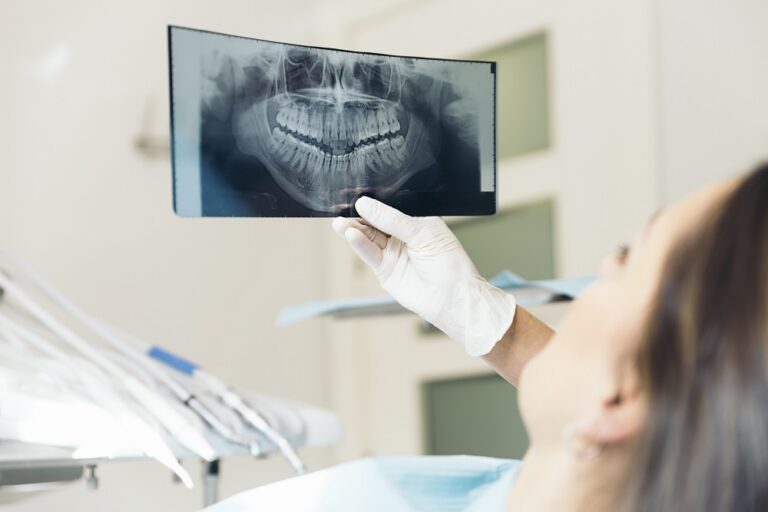
A beautiful smile is easy to picture. Whiter teeth, straighter edges, balanced gumlines, natural-looking veneers, maybe an implant that disappears into the smile as if it had always been there. What many people do not picture is the condition underneath. Yet in practice, that hidden foundation often determines whether cosmetic dentistry looks refined for years or starts to unravel far too soon.
That is where periodontal treatment becomes essential. If the gums are inflamed, the bone is receding, or bacteria are active below the gumline, cosmetic work is being asked to perform on unstable ground. You can place porcelain over the problem, but you cannot expect it to behave as though the problem is gone.
Dentists who focus on long-term results tend to think from the foundation upward. They look at the gums, the supporting bone, the bite, the habits that caused wear or inflammation, and only then at the cosmetic plan. Patients are sometimes surprised by this sequence. They may come in asking for veneers or bonding and leave hearing about pocket depths, scaling, root planing, or gum grafts. It can feel like a detour. In reality, it is usually the shortest route to a result that looks better, heals better, and lasts longer.
The gums frame the smile
Cosmetic dentistry is not only about teeth. It is also about proportion, symmetry, and the way the gum tissue surrounds each tooth. Healthy gums have a certain firmness and contour. They sit in a stable position, hug the teeth closely, and create a clean transition between tooth and tissue. When gum health is compromised, the smile changes in ways people often notice without knowing the cause.
Inflamed gums look puffy, shiny, or uneven. They may bleed with brushing or flossing. Receding gums expose root surfaces, making teeth look longer and sometimes darker near the gumline. Gum disease can also create black triangles between teeth, those small dark spaces that become more visible as the papillae shrink away. A patient might believe the teeth simply need whitening or reshaping, but the more important issue may be tissue loss caused by periodontal disease.
This matters because cosmetic dentistry magnifies what is already there. A veneer can improve color and shape, but it cannot make unhealthy gums appear truly healthy. Crown work can close some spaces, but it cannot reliably replace the fullness of lost gum tissue. If the tissue remains inflamed during treatment, impressions can be less accurate, margins can be harder to place correctly, and healing can become unpredictable.
One of the most telling moments in a cosmetic consult is when a patient says, “I only want the front teeth fixed.” Then the exam reveals generalized bleeding, moderate tartar buildup, and several periodontal pockets in the back. The front teeth may be the visible concern, but the whole mouth affects the prognosis. Gum disease rarely respects the boundaries of what shows in a photo.
Cosmetic work depends on biological stability
The phrase “healthy foundation” gets used often in dentistry because it is true in a very literal way. Teeth are not decorative tiles set into cement. They are living structures supported by bone, ligament, and gum tissue that respond constantly to bacteria, inflammation, and mechanical force.
Periodontal treatment aims to control infection and stabilize the supporting structures around the teeth. Depending on the case, that may involve a thorough periodontal evaluation, professional maintenance, scaling and root planing, local antimicrobial therapy, adjustment of home care, treatment of contributing factors such as smoking or dry mouth, and in more advanced cases, surgery or grafting. The exact path varies, but the purpose is consistent: reduce inflammation, stop progression, and create conditions where restorative or cosmetic work can succeed.
When that step is skipped, problems tend to surface in familiar ways. Veneer margins become harder to keep clean. Crowns placed near inflamed tissues may trap plaque more easily. Implant planning becomes more complicated if active periodontal disease has already reduced the bone. Even orthodontic movement, often used before cosmetic finishing, carries greater risk when the periodontal support is compromised.
A patient may ask a reasonable question: if the tooth itself looks fine, why delay the cosmetic work? The answer is that the tooth is only one part of the esthetic unit. If the surrounding tissues are moving, receding, or infected, the appearance can change soon after treatment. The restoration might still be technically intact while the smile around it deteriorates.
Why timing matters more than many patients realize
Periodontal problems are not all dramatic. Some are silent. Early gum disease can progress with little pain. Bleeding is common, but people often normalize it. Mild recession develops slowly. By the time a person is ready to invest in cosmetic dentistry, the disease may have been present for years.
That timing matters because cosmetic treatment often locks in certain design choices. Once veneers are planned, the length and width of the teeth, the edge position, and the relationship to the gumline all become part of the final result. If the gums later recede, those decisions may no longer look balanced. Margins that were hidden can become visible. Root exposure can create color mismatch near otherwise beautiful restorations. A case that looked polished at delivery can begin to look patchy within a relatively short period.
There is also the issue of healing. Healthy tissue responds more predictably to dental procedures. Inflamed tissue bleeds more, can distort records, and may not adapt neatly around new restorations. Anyone who has worked closely with esthetic cases knows how small tissue changes can affect the final appearance. Half a millimeter can matter. That is one reason careful clinicians often insist on periodontal stability before moving into definitive cosmetic work.
What periodontal treatment can change before veneers, crowns, or implants
Patients sometimes hear “periodontal treatment first” and assume it means months of delay with no visible benefit. In many cases, the opposite is true. Once inflammation is reduced and the tissues heal, the cosmetic plan becomes clearer and often more conservative.
A few improvements are especially common:
- gum swelling decreases, which can reveal a more accurate natural gumline
- bleeding and tenderness lessen, making daily hygiene easier and more effective
- tooth shade assessment becomes more reliable after stains and inflammation are addressed
- recession and tissue loss can be evaluated more honestly once active disease is controlled
- restorative margins can be designed with healthier tissue architecture in mind
Those changes may sound clinical, but they shape visible outcomes. I have seen patients who were sure they needed extensive veneer work look significantly better after periodontal therapy, whitening, and minor reshaping. I have also seen the reverse, cases where untreated periodontal disease hid the true extent of tissue loss until after the gums calmed down. That second scenario is especially important because it prevents false expectations. Better to discover the actual landscape before investing in porcelain than after.
The aesthetic risks of ignoring gum disease
Cosmetic dentistry can be remarkably durable, but it is not immune to biology. When active gum disease remains in the picture, the risks are not abstract.
Take veneers. If plaque control is poor and gums are already inflamed, the tissue around veneer margins may stay irritated. The veneers themselves may be beautiful, yet the patient notices persistent redness at the edges, a dull look to the smile, or recurrent bleeding when brushing. Over time, recession can expose the margins, making the restorations easier to detect.
Consider crowns. Crown contours must support healthy tissue, not press on it or create plaque traps. If the periodontal condition is unstable, tissues can shift after placement and alter the appearance. A crown that looked ideal on delivery can later seem too long, too short, or mismatched at the gumline because the frame around it changed.
Implants deserve special attention. Patients often think implants are separate from gum disease because they do not decay. But implants still rely on healthy bone and healthy surrounding tissue. A patient with a history of untreated periodontitis is at higher risk for complications around implants, including peri-implant inflammation and bone loss. If an implant is being placed in the smile zone, soft tissue management becomes even more exacting. Poor periodontal control beforehand can make an already demanding esthetic case harder to execute.
Even whitening can be affected indirectly. If gums are inflamed and sensitive, patients may tolerate bleaching less well. If recession is present, exposed root surfaces may not respond the same way enamel does, producing uneven color transitions near the gumline.
Not every patient needs the same kind of periodontal care
This is where judgment matters. “Periodontal treatment” is not one single procedure. For one patient it may mean a detailed cleaning schedule and improved home care. For another it may involve non-surgical therapy across several visits. In advanced cases it could include pocket reduction surgery, regenerative procedures, crown lengthening, or soft tissue grafting.
A younger patient with localized bleeding and mild inflammation may need only targeted intervention and careful monitoring before moving ahead with bonding or aligners. A middle-aged patient who has not had maintenance in years, has deeper pockets, and shows bone loss on radiographs may need a longer stabilization period. A patient planning multiple veneers in the upper front may benefit from seeing a periodontist early, especially if the gumline is uneven, recession is present, or the smile line is high enough that every contour will show.
The right sequence is individualized. Good cosmetic planning is rarely rushed. It is diagnostic before it is decorative.
The role of gum contour in cosmetic success
Many of the most attractive smiles share one trait that patients do not always notice consciously: the gumline is harmonious. The central incisors often have similar height, the laterals sit slightly lower, and the canines create a natural progression. The gingival margins are not random. They support the proportions of the teeth.
If periodontal disease or chronic inflammation has altered that contour, cosmetic dentistry alone may not restore balance. Sometimes the answer is simply controlling inflammation and letting the tissue settle. Sometimes it involves recontouring tissue through periodontal procedures. In cases of recession, grafting may be considered to protect roots, improve symmetry, and support esthetics.
This becomes especially important with veneers and anterior crowns. A ceramist can create exceptional shape and translucency, but if one gum margin is visibly inflamed or several millimeters lower than its counterpart, the eye goes there immediately. Patients may describe the result as “off” even if they cannot explain why.
I remember a case involving a patient who wanted four upper veneers after old bonding had stained. https://louisugtd462.raidersfanteamshop.com/periodontal-treatment-and-heart-health-is-there-a-connection The teeth themselves were straightforward. The challenge was the tissue. One central incisor had a slightly deeper pocket and a puffy margin that made it appear shorter than the other. Had the case moved straight to veneers, the final smile would have baked that asymmetry into the design. Instead, periodontal treatment came first, followed by a short healing interval. Once the tissue settled, the gumline evened out enough that the veneer prep could remain conservative, and the symmetry was much easier to achieve. The patient noticed the difference immediately in photos, though what changed first was not the porcelain, it was the tissue health.
Why maintenance matters after the cosmetic phase
A common misunderstanding is that periodontal treatment is something to “get through” before the real work begins. In truth, it remains part of the long-term plan. Cosmetic restorations thrive when maintenance is consistent. They struggle when patients return to irregular cleanings, inconsistent flossing, smoking, or nighttime grinding with no protection.
Once someone invests in veneers, crowns, implants, or a smile makeover, regular periodontal maintenance becomes even more valuable. The margins of restorations need to stay clean. Inflammation needs to be caught early. Bite changes, clenching, and recession need to be monitored. A stunning esthetic result can slowly lose its edge if the tissue around it is neglected.
For patients, the practical question is simple: what should happen before saying yes to cosmetic treatment? A useful checklist looks like this:
- have a periodontal exam that includes gum measurements and imaging where appropriate
- ask whether any bleeding, pocketing, recession, or bone loss could affect the cosmetic plan
- complete recommended periodontal treatment and allow time for tissue healing
- reassess the smile design only after the gums are stable
- commit to maintenance visits and home care after the cosmetic work is done
That sequence may add time to the process, but it usually reduces the chance of rework, disappointment, or biologic complications.
The financial side patients rarely hear enough about
There is also a financial argument for doing things in the proper order. Cosmetic dentistry can be expensive. Veneers, implant restorations, soft tissue correction, and laboratory work represent a meaningful investment. If untreated periodontal disease shortens the life of that work or forces revisions, the cost rises quickly.
Patients sometimes hesitate when they hear about periodontal treatment because it feels like money spent on something invisible. Yet from a value standpoint, it often protects the more visible and more expensive phase. Paying for porcelain while postponing disease control is a bit like repainting a house before fixing water intrusion. The fresh surface may look excellent for a while, but the problem beneath keeps moving.
That does not mean every cosmetic patient requires extensive periodontal care. It does mean that skipping proper diagnosis is risky, both biologically and financially. An honest treatment plan accounts for what must be done first, what can be done later, and what trade-offs the patient is accepting if they choose a faster path.
Edge cases and exceptions
There are situations where cosmetic treatment and periodontal concerns overlap rather than occur in strict sequence. For example, orthodontic movement may be used to improve spacing and make periodontal defects easier to manage. Temporary bonding may be placed after initial periodontal therapy to help a patient function or feel comfortable while waiting for definitive care. A small cosmetic repair might proceed even in a patient with a broader periodontal history if the area is stable and the intervention is conservative.
The key is not rigid rules. It is clear clinical judgment. Active disease should not be ignored. Stable history is different from active breakdown. A patient with previous periodontitis who is now well maintained may still be an excellent candidate for cosmetic treatment. The point is to recognize risk, not to deny care automatically.
This nuance matters because patients often fear being told they are “not a candidate.” Usually the message is more constructive than that. More often, it is: you are a candidate, but the sequence matters if you want the result to look natural and stay healthy.
What to ask your dentist or periodontist
If you are considering cosmetic dentistry, it helps to ask a few direct questions. Is my gum health stable enough for veneers or crowns right now? Do you see signs of recession, pocketing, or bone loss that could change the final appearance? Would a periodontal consultation improve the plan? If the gums settle after treatment, will that change the number of teeth involved or the type of restoration you recommend?
Good clinicians welcome these questions because cosmetic dentistry is strongest when expectations are grounded in biology. A polished before-and-after photo never tells the whole story. Behind the best cases there is usually careful sequencing, tissue management, and a refusal to hurry past inflammation.
The better smile starts before the porcelain
The most dependable cosmetic results are not built on optimism. They are built on diagnosis, tissue health, and patience. Periodontal treatment matters because gums and bone are not background details. They shape the smile, support the teeth, and determine whether cosmetic work can age gracefully.
When patients understand this, the process makes more sense. The cleaning, measurements, maintenance visits, and possible gum therapy are not obstacles standing in the way of cosmetic dentistry. They are part of the cosmetic dentistry. They protect color, contour, symmetry, and longevity. They help the final work look less like dental treatment and more like a naturally healthy smile.
That is the real goal, not simply to make teeth prettier for a moment, but to create a smile that still looks convincing and healthy years after the excitement of the reveal has passed.
Avra Dental
Address: 1708 S Victoria Ave B, Ventura, CA 93003
Phone number: (805) 941-1001
FAQ About Periodontal Treatment
Can a dentist get rid of periodontal disease?
A dentist or gum specialist (periodontist) cannot fully cure or reverse advanced periodontal disease (periodontitis), but they can successfully stop its progression and manage the infection.
Is periodontitis very serious?
Yes, periodontitis is a very serious, advanced form of gum disease that destroys the bone and tissues supporting your teeth.
How is stage 2 periodontal disease treated?
Stage 2 periodontal disease (early to moderate periodontitis) is primarily treated with non-surgical deep cleaning procedures like scaling and root planing to remove bacteria and tartar below the gumline.
❧