October 30, 2026
How Genetics May Affect Your Periodontal Treatment Plan
By @dominickhrqr017

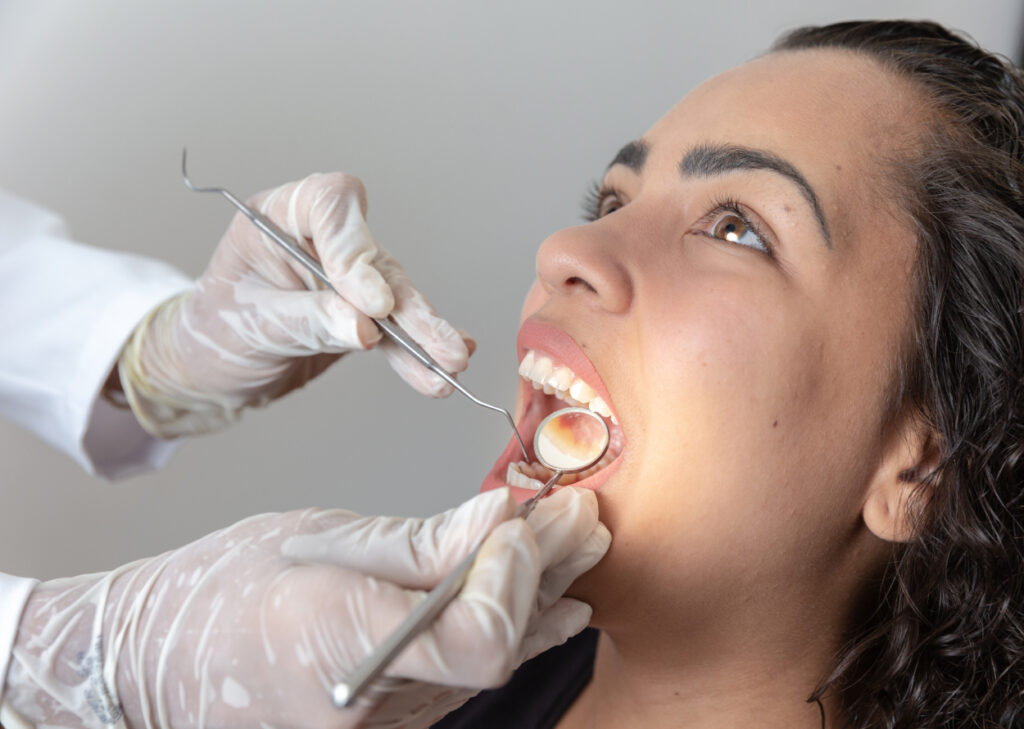

When two patients walk into a periodontal office with what appears to be the same level of gum inflammation, they do not always follow the same path. One improves quickly after a deep cleaning, better home care, and a few supportive visits. The other seems to do everything right and still develops continued attachment loss, deeper pockets, or recurring inflammation. That difference is one reason genetics has become a serious part of the conversation around periodontal treatment.
Genes do not determine everything about gum disease. Far from it. Plaque, smoking, diabetes, stress, medications, oral hygiene habits, bite forces, and access to regular care often play a larger day-to-day role. Still, genetics can shape how a person’s immune system reacts to bacteria, how much inflammation develops, how connective tissue breaks down, and even how well healing progresses after treatment. In practice, that means two people with similar brushing habits and similar bacterial exposure may not share the same risk profile or the same treatment plan.
This topic matters because patients often hear one of two oversimplified messages. The first is that periodontal disease is entirely preventable if you just brush and floss well enough. The second is that if gum disease runs in your family, there is not much you can do. Neither view is accurate. A more useful way to think about it is this: genetics may load the gun, but behavior, biology, and treatment timing often determine whether it goes off.
The part genes may play in gum disease
Periodontal disease is not caused by genes alone. It begins with bacterial biofilm, the sticky plaque that accumulates on teeth and below the gumline. But the amount of visible plaque is only part of the picture. The real tissue damage in periodontitis often comes from the body’s inflammatory response to those bacteria.
That is where genetics may matter. Some people appear to have a more exaggerated inflammatory response. Their immune system releases higher levels of certain inflammatory mediators, enzymes, or signaling molecules that can accelerate breakdown of the periodontal ligament and alveolar bone. Others may have differences in how efficiently their body clears infection or resolves inflammation once it starts.
Researchers have spent years studying genetic variations tied to inflammation and host response. The literature includes genes related to interleukins, tumor necrosis factor, matrix metalloproteinases, and other immune regulators. These associations are complex. They vary across populations, and they do not act in isolation. A positive genetic marker does not mean a person will inevitably develop severe gum disease. A negative marker does not mean complete protection. Still, the broad principle is well accepted in clinical practice: inherited differences can influence susceptibility, severity, and response to treatment.
A family history can be one of the clearest clues. When a patient says, “My father lost his teeth early, and my older sister already has bone loss in her thirties,” that gets attention. It does not prove a genetic cause, but it raises suspicion that the patient may be more vulnerable than average. It also justifies a more proactive periodontal treatment strategy, especially if early signs are already present.
Why one mouth can react so differently from another
This is where clinical experience often sharpens what research suggests. Dentists and periodontists regularly see patients with modest plaque deposits and surprisingly advanced periodontal breakdown. They also see heavy plaque accumulators with relatively limited destruction. That disconnect can be frustrating for patients who feel judged by standard advice.
A patient in their late twenties with excellent home care but several isolated deep pockets and rapid bone loss around molars deserves a different level of concern than someone the same age with generalized gingivitis but no attachment loss. In the first case, genetics may be part of the explanation, especially if other risk factors are absent. In the second, the emphasis may stay on mechanical plaque control and maintenance.
It is important to be careful here. “Genetic” should not become shorthand for “mysterious” or “untreatable.” More often, it means the clinician needs to interpret findings with a wider lens. If a patient’s tissues are prone to a strong inflammatory reaction, treatment may need to begin earlier, maintenance may need to be more frequent, and the threshold for specialist referral may be lower.
What this means for diagnosis
A thoughtful periodontal evaluation already goes beyond measuring pocket depth. It looks at bleeding on probing, attachment loss, bone levels on radiographs, gum recession, mobility, furcation involvement, plaque retention factors, medical history, tobacco exposure, and patterns over time. Genetics does not replace any of that. It adds context.
In practical terms, a possible inherited risk may influence how a clinician interprets borderline findings. A 4 millimeter pocket with bleeding in a low-risk patient might be watched and managed conservatively at first. The same finding in a patient with strong family history, prior rapid progression, and systemic inflammatory burden may prompt faster escalation.
Diagnosis also benefits from looking at age relative to disease severity. Significant periodontal destruction in a younger adult raises different concerns than the same condition in an older patient with decades of accumulation. Age alone never tells the whole story, but when severe disease appears earlier than expected, host susceptibility becomes more relevant.
Some offices discuss genetic testing, though this remains a nuanced area. Commercial tests have attempted to identify inflammatory gene variants linked to periodontitis risk. The challenge is that periodontal disease is polygenic and heavily influenced by environment. A simple positive or negative genetic test can create false certainty. For that reason, many experienced clinicians rely more heavily on phenotype, family history, clinical progression, and known medical risks than on standalone consumer-style testing.
How genetics may change a periodontal treatment plan
A periodontal treatment plan is rarely a one-size-fits-all sequence. The core tools remain familiar: scaling and root planing, home care instruction, control of contributing factors, reevaluation, possible local or systemic antimicrobials in selected cases, surgery when needed, and long-term periodontal maintenance. Genetics may change how aggressively these tools are used and how soon.
For patients with suspected higher inherited susceptibility, treatment often becomes more preventive and more closely monitored. That can include earlier intervention for mild attachment loss, shorter recall intervals, and stronger emphasis on inflammation control even when symptoms seem minor. Many patients are surprised to learn that gum disease can progress quietly. It often does not hurt until damage is significant. A genetic tendency may make that silent progression more likely to matter.
Treatment planning may shift in several specific ways:
- Earlier specialist referral, especially for young patients with unexplained bone loss or rapid progression
- Tighter periodontal maintenance intervals, often every three to four months rather than every six
- Lower threshold for imaging, site-specific reevaluation, and comparing bone levels over time
- Stronger management of coexisting risks such as smoking, diabetes, dry mouth, or clenching
- More cautious long-term planning for implants, restorations, and teeth with guarded prognosis
These are not rigid rules. They are examples of how inherited risk can tilt clinical judgment toward vigilance.
Deep cleaning is sometimes only the starting point
Many patients hear “deep cleaning” and assume that is the entire answer to periodontal disease. Scaling and root planing remains a cornerstone of periodontal treatment because it removes biofilm and calculus from root surfaces and disrupts the bacterial environment below the gumline. For plenty of patients, that is enough to stabilize the condition when paired with excellent daily plaque control.
But in a genetically susceptible patient, the tissue response after non-surgical treatment can be less predictable. Pockets may shrink, yet certain sites continue to bleed. Inflammation may decrease, but not resolve fully. Bone loss may stabilize overall while isolated defects continue to worsen.
That does not mean the treatment failed. It may mean the biology is more aggressive, or that residual anatomical challenges are harder to manage. Deep, narrow defects, furcations between roots, overhanging restorations, and hard-to-reach molars often demand more than routine cleaning. In these cases, clinicians may recommend flap surgery, regenerative procedures, or localized antimicrobial therapy sooner than they would for a lower-risk patient.
The nuance matters. An inherited predisposition does not always call for more treatment, but it often calls for more careful follow-up after treatment.
Healing is not just about technique
Patients naturally focus on what the dentist or periodontist will do. Clinicians focus just as much on how the tissues respond afterward. Genetics may affect collagen turnover, inflammatory signaling, tissue remodeling, and even vascular response. All of those can influence healing quality and stability.
In practice, healing capacity is shaped by a stack of variables. Blood sugar control can dramatically alter outcomes. Smoking can impair blood flow and suppress signs of inflammation while damage continues underneath. Certain medications can change salivary flow or gingival enlargement. Stress and sleep can influence immune function more than many people realize. Genetics sits within that larger picture.
This is why the same surgical procedure can produce very different long-term results in different patients. One patient maintains excellent pocket reduction for years. Another experiences rebound inflammation despite a technically successful procedure. When that happens, the answer is usually not to blame the genes alone. It is to reassess the full biologic environment and adapt the maintenance plan.
Family history should change the conversation early
A detailed family history is one of the most underused tools in periodontal risk assessment. People are often quick to mention heart disease or diabetes in relatives, but they do not think to mention early tooth loss, gum surgery, dentures at a young age, or “bad gums” in parents and siblings. Those details can be clinically meaningful.
If several family members lost teeth early, especially without extensive decay, the possibility of inherited periodontal susceptibility should be on the radar. A patient with that history may benefit from baseline periodontal charting at a younger age, earlier radiographs focused on bone levels, and clearer education about warning signs. That approach is not alarmist. It is preventive.
One of the more frustrating scenarios in practice involves the patient who was told for years that everything looked fine, only to be diagnosed later with moderate or severe periodontitis once bone loss became obvious on x-rays. Often the disease had been smoldering quietly. For a patient with family history, that delay can be especially costly.
Genetics and implant planning
Dental implants are often discussed as if they sit outside the world of periodontal disease. They do not. Patients who are prone to periodontitis may also be more vulnerable to peri-implant disease, particularly if the same inflammatory tendencies, plaque challenges, or smoking exposure remain in place.
This does not mean patients with genetic susceptibility should avoid implants. It means implant planning should be more disciplined. Before replacing a hopeless tooth with an implant, the broader periodontal condition needs to be stabilized. Existing pockets should be treated. Oral hygiene must be realistic and consistent. Maintenance has to be non-negotiable. If a patient has already lost multiple teeth to periodontal breakdown, an implant may still be an excellent option, but only within a tightly managed preventive framework.
A periodontist may also be more conservative in prognosis discussions. For a low-risk patient with stable periodontal health, an implant can be presented with strong confidence. For a patient with a history of recurrent inflammation and significant family risk, the message may be more measured: success is certainly possible, but maintenance will matter as much as the placement itself.
The limits of genetic testing
Patients sometimes ask for a definitive test that will reveal whether they are “genetically doomed” to gum disease. That kind of certainty does not exist. Periodontitis is not a single-gene condition in the way some inherited disorders are. It arises from an interplay of microbial, inflammatory, behavioral, environmental, and systemic factors.
Genetic tests can sometimes identify markers associated with increased inflammatory response. The problem is that association is not destiny. A test result cannot fully capture how well someone brushes, whether they smoke, how well their diabetes is controlled, what medications they take, how often they return for maintenance, or how their oral bacteria shift over time.
https://damiennrpo538.nexorafield.com/posts/how-insurance-may-help-cover-periodontal-treatmentFor some patients, genetic testing may still be useful as one piece of a larger risk conversation. It can help explain why a more aggressive maintenance schedule is being recommended. It can motivate a younger patient to take mild periodontal findings seriously. But it should never be used in isolation to set prognosis or choose treatment.
The better question is often not “What do my genes say?” but “How is my mouth behaving, and what does that pattern suggest about my risk?”
What patients can do if gum disease runs in the family
The most effective response to inherited risk is not fear. It is precision. Patients who know their family history can act sooner and more consistently than those who assume gum disease only happens to other people.
A few habits make a meaningful difference:
- Get periodic periodontal charting, not just quick visual checks
- Keep professional maintenance visits on schedule, even when nothing hurts
- Report family history of early tooth loss or gum surgery to your dental team
- Treat smoking or uncontrolled diabetes as major threats, not side issues
- Ask for reevaluation if gums bleed regularly, teeth feel different, or recession seems to be progressing
None of these steps is glamorous. They are effective because they catch disease before it becomes expensive, painful, and structurally damaging.
How clinicians balance risk without overreacting
Good periodontal treatment planning sits in a narrow space between neglect and overtreatment. If every patient with family history were treated as high risk regardless of findings, many would undergo unnecessary interventions. If genetic susceptibility were ignored completely, some patients would lose valuable time.
The best clinicians balance present evidence with future risk. They look at how much disease exists now, how quickly it seems to be changing, what the local anatomy looks like, whether inflammation resolves with standard care, and what broader medical or inherited factors may influence progression.
That balancing act often explains why different patients receive different recommendations. One person may only need non-surgical therapy and strict maintenance. Another with similar pocket depths may be referred to a periodontist right away because they are 32, have a strong family history, and already show vertical bone defects around first molars. Both plans can be appropriate.
Patients sometimes mistake this difference for inconsistency. It is actually individualized care.
The future is more personalized, but the fundamentals still matter
As research improves, periodontal care will likely become more precise in how it uses biologic markers, inflammatory profiles, and genetic information. That is promising. Yet the fundamentals remain stubbornly important. Plaque control still matters. Smoking cessation still matters. Diabetes control still matters. Professional maintenance still matters.
Genetics may shape the terrain, but daily decisions shape outcomes. A patient with inherited susceptibility who receives timely periodontal treatment, follows a structured maintenance schedule, and addresses other risks can often keep their teeth for decades. On the other hand, a patient with modest genetic risk can still develop severe disease if routine care is neglected.
That is the message worth carrying forward. Genes can influence your periodontal treatment plan, sometimes significantly. They may prompt earlier intervention, closer monitoring, and more cautious long-term planning. But they do not erase the value of treatment, and they do not make disease progression inevitable.
The most practical way to use genetic insight is not as a label, but as a reason to be more observant, more proactive, and more precise. When that happens, periodontal treatment becomes less reactive and more protective, which is exactly what high-quality dental care should be.
Avra Dental
Address: 1708 S Victoria Ave B, Ventura, CA 93003
Phone number: (805) 941-1001
FAQ About Periodontal Treatment
Can a dentist get rid of periodontal disease?
A dentist or gum specialist (periodontist) cannot fully cure or reverse advanced periodontal disease (periodontitis), but they can successfully stop its progression and manage the infection.
Is periodontitis very serious?
Yes, periodontitis is a very serious, advanced form of gum disease that destroys the bone and tissues supporting your teeth.
How is stage 2 periodontal disease treated?
Stage 2 periodontal disease (early to moderate periodontitis) is primarily treated with non-surgical deep cleaning procedures like scaling and root planing to remove bacteria and tartar below the gumline.
❧